Study in USA
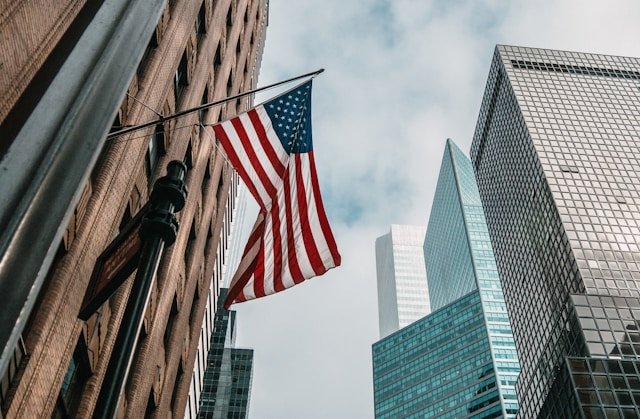
Introduction to the United States Education System
The United States is home to one of the most prestigious and diverse education systems in the world, attracting more international students than any other country. Structured across primary, secondary, and higher education levels, the American system is uniquely decentralized — meaning each of the 50 states has its own education standards and governance — yet universally recognized for producing some of the world’s most accomplished graduates and groundbreaking research.
Primary education begins at around age five or six with Kindergarten and spans through 5th or 6th grade, focusing on core literacy, numeracy, and social development. Students then progress to middle school (grades 6–8) before entering high school (grades 9–12). Upon successful completion, students earn a High School Diploma, which serves as the foundation for college and university admission. Many high-achieving students also pursue Advanced Placement (AP) or International Baccalaureate (IB) courses during high school to earn college credit and strengthen their applications.
At the higher education level, the United States boasts over 4,000 accredited colleges and universities, including community colleges, liberal arts colleges, research universities, and Ivy League institutions. American universities dominate global rankings, with institutions such as MIT, Harvard, Stanford, and the University of Chicago consistently placing among the world’s best. Students can pursue associate, bachelor’s, master’s, doctoral, and professional degrees across virtually every field imaginable. Community colleges also provide an affordable and flexible pathway into higher education, offering two-year programs that can transfer into four-year degrees.
Academic quality is overseen by independent regional and national accreditation bodies, ensuring that institutions meet rigorous educational standards. For international students, studying at an accredited U.S. institution is essential for visa eligibility and global recognition of their qualifications.
Benefits of Studying in the United States
The United States offers an unparalleled combination of academic excellence, cultural diversity, and career opportunity that continues to draw hundreds of thousands of international students every year. With over one million international students currently enrolled, the U.S. has long been the world’s most popular study destination — and the reasons are clear.
American universities are renowned for their research output, innovation, and strong ties to industry. Students gain access to state-of-the-art facilities, world-class faculty, and a culture of intellectual curiosity that encourages pushing boundaries. Many institutions offer robust research programs where undergraduates and postgraduates alike can contribute to discoveries that shape industries and policy worldwide.
One of the most distinctive features of U.S. higher education is its flexibility. Unlike many other systems, American universities allow students to explore a broad range of subjects before declaring a major, giving them the space to discover their true passions. The liberal arts model encourages well-rounded graduates who can think critically, communicate effectively, and adapt across disciplines.
Beyond academics, the United States is a land of extraordinary diversity — in people, landscapes, and experiences. From the skyscrapers of New York City to the beaches of California, the music culture of Nashville to the tech innovation of Silicon Valley, students can find a city or campus environment that perfectly suits their personality and ambitions. Campus life itself is a defining feature of the American college experience, with vibrant communities, Division I athletics, student clubs, Greek life, and cultural organizations creating a rich social environment.
The career prospects following a U.S. degree are also highly compelling. American degrees are respected by employers worldwide, and the country’s Optional Practical Training (OPT) program allows international graduates to work in the U.S. for up to one or three years after graduation, providing invaluable real-world experience.
Visa and Admission Process for International Students
Understanding the visa and admissions landscape is critical for any international student hoping to study in the United States. The most common visa for full-time academic study is the F-1 Student Visa, while students enrolled in vocational or non-academic programs may require an M-1 Visa. Both are administered by the U.S. Department of Homeland Security.
Before applying for a visa, students must first be accepted by a Student and Exchange Visitor Program (SEVP)-certified institution. Upon acceptance, the institution will issue a Form I-20 (for F-1 students), which is a critical document required for the visa application. Students must then pay the SEVIS fee and schedule an interview at a U.S. Embassy or Consulate in their home country.
During the visa interview, applicants will need to demonstrate:
- A genuine intent to study and return home after completing their program
- Sufficient financial resources to cover tuition and living expenses
- Enrollment in a full-time program at an accredited, SEVP-certified institution
Financial documentation is particularly important. Tuition fees at U.S. universities can range significantly — from around $10,000 per year at community colleges to over $60,000 per year at elite private universities — and students must show they can cover these costs, along with estimated living expenses.
Health insurance, while not federally mandated for the visa itself, is strongly recommended and often required by individual universities. Many institutions offer their own student health plans, which international students are automatically enrolled in upon registration.
On the admissions side, the process is highly competitive at top-tier institutions and varies by school. Most universities require:
- Academic transcripts
- Standardized test scores (SAT/ACT for undergraduates; GRE/GMAT for postgraduates)
- English proficiency test results (TOEFL or IELTS)
- Letters of recommendation
- A personal statement or college essay
- Extracurricular achievements and portfolio materials (for select programs)
Application deadlines typically fall between November and January for fall enrollment, though some schools offer rolling admissions. Students are strongly advised to begin the process at least 12 to 18 months in advance to allow adequate time for test preparation, application assembly, and visa processing.
Life as an International Student in the United States
Life as an international student in the United States is as dynamic and varied as the country itself. With campuses ranging from sprawling urban universities to tight-knit rural colleges, every student can find an environment where they thrive — both academically and personally.
Accommodation options typically include on-campus dormitories, university-affiliated apartments, and off-campus private rentals. Most universities require or strongly encourage first-year students to live on campus, which helps ease the transition and build friendships quickly. On-campus housing usually includes meal plans, utilities, and access to campus facilities, making it a convenient all-in-one option. Off-campus housing can be more affordable depending on the city, but students should account for additional costs such as utilities, groceries, and commuting.
Living costs in the U.S. vary dramatically by location. Cities like New York, San Francisco, and Boston are among the most expensive in the world, while college towns in the Midwest or South offer a much more affordable day-to-day experience. Students should budget carefully for rent, food, transportation, textbooks, and personal expenses, keeping in mind that healthcare costs can be significant without adequate insurance coverage.
American universities invest heavily in international student support. Most campuses have a dedicated International Student Office (ISO) or Office of International Affairs that assists with visa renewals, academic advising, cultural adjustment, and legal guidance. Orientation programs specifically designed for international students are held at the start of each semester, helping new arrivals get settled and connected.
Campus life in the U.S. is second to none. Students can join hundreds of clubs and organizations, participate in NCAA athletics, attend world-class performances and lectures, and engage in community service — all within walking distance of their dorms. Cultural student associations are especially popular, offering international students a way to connect with peers from their home countries while also sharing their culture with the broader campus community.
International students on an F-1 visa are permitted to work on-campus for up to 20 hours per week during the academic year and full-time during breaks. After graduation, the Optional Practical Training (OPT) program allows students to work in the U.S. for up to 12 months — or up to 36 months for STEM graduates — providing a powerful launchpad for an international career.
With world-class education, unmatched campus culture, vast career opportunities, and the chance to experience one of the most diverse and dynamic countries on Earth, studying in the United States remains a transformative and life-defining choice for students from every corner of the globe.
This version is tailored specifically to the U.S. context, with accurate visa details (F-1/M-1), institution types, admissions requirements, OPT work rights, and cultural nuances that make the American college experience distinct.